Deferred liability definition
/What is a Deferred Liability?
A deferred liability is an obligation arising from cash received before the related goods or services are provided. The amount is recorded as a liability because the organization still owes performance to the customer. Common examples include customer deposits, advance service fees, and unearned revenue. As the company fulfills its obligation, the liability is gradually reduced and revenue is recognized. This accounting treatment ensures that revenue is recognized only when it is earned.
Accounting for a Deferred Liability
When a business receives cash in exchange for a future obligation, it records a debit to the cash account and a credit to the deferred liability account. When it eventually completes its obligations related to the payment, it debits the deferred liability account and credits the related revenue account.
Presentation of a Deferred Liability
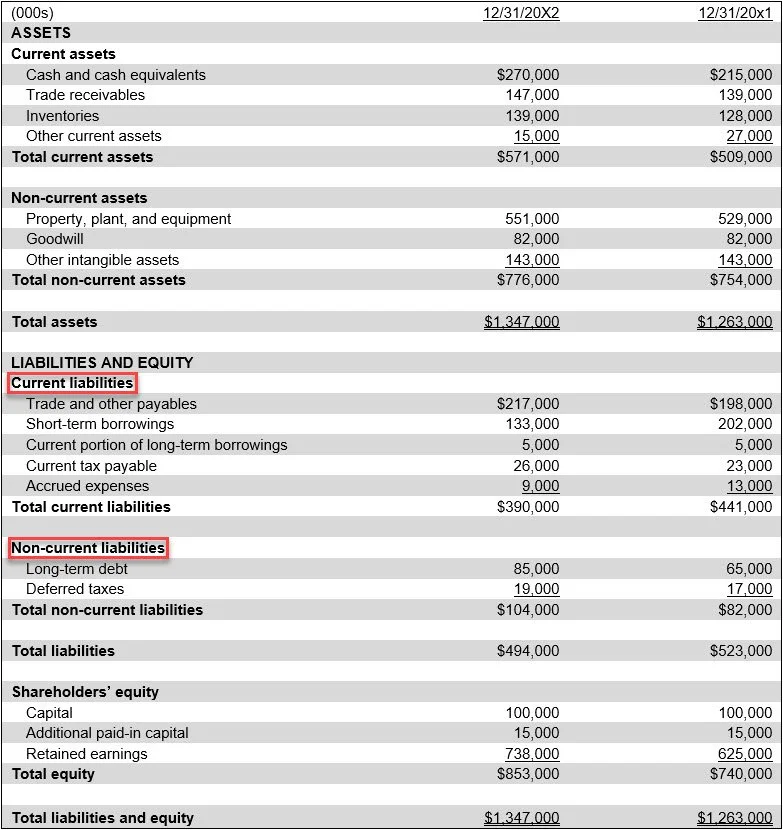
If a deferred liability is not to be settled for more than one year, then it is classified on your balance sheet as a non-current liability. If the settlement date is within one year, then it should instead be classified as a current liability. These two classifications are shown in the following balance sheet exhibit. Deferred liabilities are rarely labeled as such on the balance sheet; instead, they are included in other line items.
Related AccountingTools Course
FAQs
How do deferred liabilities affect financial ratios?
Deferred liabilities increase a company’s total liabilities, which can raise its debt-to-equity and debt-to-assets ratios, indicating higher financial leverage. This may suggest greater long-term obligations and potentially increased financial risk. Additionally, high deferred liabilities can impact credit evaluations and investment decisions by signaling future cash outflows.